





How Canned Food Production Lines Work Efficiently
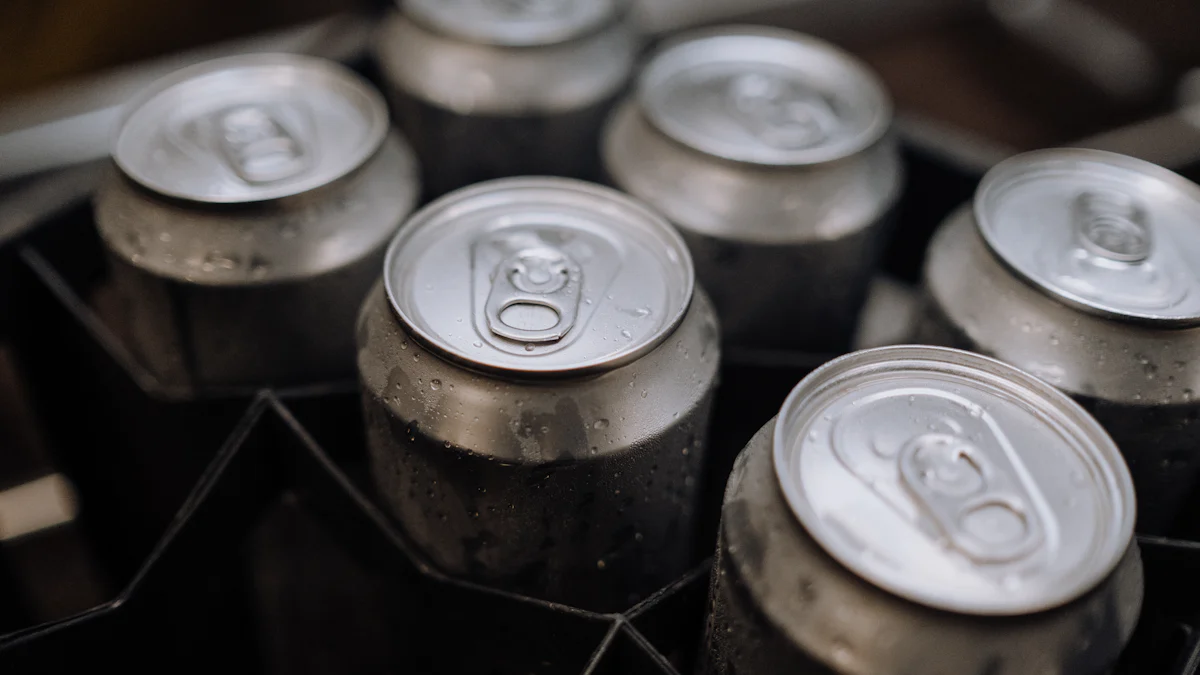
canned food production lines revolutionize food manufacturing by combining automation with advanced technologies. These systems streamline operations, ensuring precision and speed at every stage. Vacuum seal technology plays a pivotal role in preserving freshness, while heat treatments guarantee food safety. High-speed and high-temperature equipment further enhance efficiency, enabling rapid production without compromising quality. By integrating these innovations, a canned food production line achieves consistent results, meeting the demands of modern consumers. This synergy of technology and process optimization underscores its importance in the food industry.
Key Takeaways
- Canned food factories use Machines to make work faster and easier.
- Important parts include machines for stacking, filling, sealing, and checking quality.
- New machines save energy, cut costs, and help the environment.
- Checking quality is important to keep canned food safe and good.
- Machines that fill cans are very accurate and reduce waste.
- Special sealing, like vacuum sealing, keeps food fresh and clean.
- Heating and sterilizing kill germs and make food last longer.
- Strong packaging keeps cans safe during shipping and follows safety rules.
Understanding the Canned Food Production Line
What Defines a Canned Food Production Line?
A canned food production line is a highly automated system designed to process, package, and preserve food efficiently. It integrates multiple components that work together seamlessly to ensure precision and consistency. Each stage of the process, from preparation to packaging, is optimized to maintain product quality and meet industry standards.
The main components of a canned food production line include:
- Depalletizer: Automatically unloads cans from pallets for processing.
- Rinser: Cleans cans to remove dust and contaminants.
- Filler: Ensures accurate and consistent filling of food or beverages.
- Seamer: Seals cans to preserve freshness and prevent contamination.
- Quality Control Systems: Inspects cans for defects or irregularities.
- Labeler: Applies labels with product information and branding.
- Packaging Machines: Prepares cans for safe transportation.
- Conveyor Systems: Moves cans between different stations efficiently.
- Control Panel: Oversees and manages the entire production process.
These components work in harmony to create a streamlined system capable of handling large-scale production demands.
Key Features of Modern Production Lines
Modern canned food production lines incorporate advanced technologies to enhance efficiency and reliability. Automation plays a central role, reducing the need for manual labor and minimizing errors. Features such as real-time monitoring systems and sensors ensure that every step of the process meets strict quality standards.
Energy-efficient machinery has become a hallmark of modern production lines. These machines not only reduce operational costs but also align with sustainability goals. Additionally, modular designs allow manufacturers to customize production lines based on specific requirements, making them versatile and adaptable.
The integration of these features ensures that a canned food production line operates at peak performance while maintaining high levels of safety and hygiene.
Why Efficiency Matters in Food Canning
Efficiency is critical in food canning for several reasons. First, it directly impacts production speed, enabling manufacturers to meet growing consumer demands. Faster production reduces lead times and ensures that products reach the market promptly.
Second, efficiency minimizes waste. Precise filling and sealing processes prevent product loss, while automated systems reduce the likelihood of errors. This not only saves resources but also lowers production costs.
Finally, an efficient canned food production line ensures consistent quality. By maintaining uniformity in every can, manufacturers build trust with consumers and comply with regulatory standards. Efficiency, therefore, is not just about speed—it is about delivering safe, high-quality products at scale.
Food Preparation in Canned Food Production Lines
Cleaning and Sorting Ingredients
The cleaning and sorting of ingredients form the foundation of any canned food production line. These processes ensure that only high-quality raw materials proceed to the next stages. Washing is the first step, where high-pressure water removes dirt, pesticides, and other contaminants from produce. This method guarantees cleanliness while preserving the natural texture of the ingredients.
Grading follows washing, where ingredients are sorted based on size, maturity, and shape. Optical sorting systems or manual inspections are commonly used for this purpose. This step ensures uniformity, which is essential for maintaining consistency in the final product. Cutting, trimming, and coring further refine the ingredients, preparing them for consumer readiness. For example, fruits may have their cores removed, while vegetables might be trimmed to eliminate inedible parts.
Blanching is another critical step in the preparation process. This involves briefly cooking the ingredients to preserve nutrients, enhance color, and extend shelf life. Peeling, often performed using steam or mechanical methods, completes the preparation. These steps collectively ensure that the ingredients meet the high standards required for canning.
Cutting, Peeling, and Pre-Cooking Processes
Cutting and peeling are integral to preparing ingredients for a canned food production line. Automated cutting machines slice fruits and vegetables into uniform sizes, ensuring consistency in texture and appearance. Peeling methods vary depending on the type of produce. Steam peeling, for instance, uses high-pressure steam to loosen skins, while mechanical peeling employs abrasive rollers to remove them. These techniques minimize waste and enhance efficiency.
Pre-cooking, or blanching, is another essential process. It softens the ingredients, making them easier to pack into cans. This step also eliminates harmful microorganisms and deactivates enzymes that could degrade the food over time. By incorporating these processes, manufacturers ensure that the ingredients are ready for the filling and sealing stages.
Quality Control During Preparation
Quality control plays a pivotal role during the preparation phase. Automated systems equipped with sensors monitor each step to detect irregularities. For instance, optical scanners identify defects in produce, such as discoloration or damage. These systems remove substandard items from the production line, ensuring only the best ingredients move forward.
Manual inspections also complement automated systems. Workers verify the quality of ingredients, focusing on aspects that machines might overlook. This dual approach guarantees that the preparation process adheres to strict quality standards. By maintaining rigorous quality control, canned food production lines deliver products that meet both consumer expectations and regulatory requirements.
Filling and Sealing Processes
Automated Filling Systems
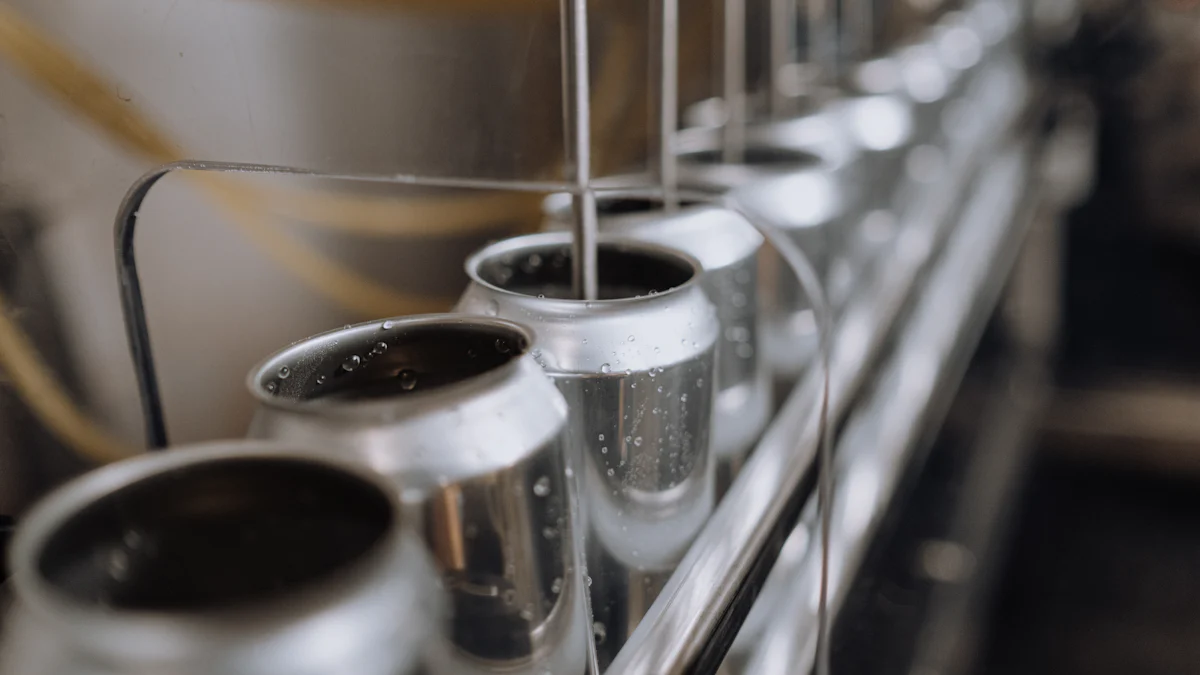
Automated filling systems are a cornerstone of modern food manufacturing. These systems streamline the process of transferring prepared ingredients into cans, ensuring speed and precision. By replacing manual labor with advanced machinery, manufacturers achieve higher productivity and maintain consistent quality.
The advantages of automated filling systems can be summarized in the following table:
| Advantage | Description |
|---|---|
| Enhanced Efficiency | Automated filling machines can process thousands of containers per hour, significantly increasing production speed and reducing downtime. |
| Improved Accuracy | Consistent fill levels reduce waste and ensure quality standards, building consumer trust. |
| Hygiene and Safety | Reduces manual handling, minimizing contamination risks and ensuring compliance with safety regulations. |
| Cost Savings | Long-term savings on labor and waste make automated systems cost-effective despite initial investment. |
| Scalability and Flexibility | Allows manufacturers to adjust production capacity based on demand and handle various can sizes and product types. |
These benefits make automated filling systems indispensable in any canned food production line, enabling manufacturers to meet both efficiency and quality goals.
Ensuring Accurate and Consistent Filling
Accurate and consistent filling is essential for maintaining product quality and meeting regulatory standards. Manufacturers achieve this by implementing regular maintenance and calibration practices. For instance, sensors and filling nozzles are calibrated frequently to ensure precise measurements. This reduces product waste and guarantees uniformity across all cans.
The following strategies help ensure consistent filling:
- Regularly calibrating sensors, weight scales, and filling nozzles to maintain accuracy.
- Adjusting line speeds to optimize productivity without compromising quality.
- Training operators to identify and resolve issues quickly.
Adhering to these practices not only enhances product quality but also strengthens brand reputation. Regular maintenance ensures that filling systems perform reliably, regardless of the product's viscosity or container size.
Advanced Sealing Techniques for Airtight Cans
Sealing plays a critical role in preserving the freshness and safety of canned food. Advanced sealing techniques ensure that cans are airtight, preventing contamination and extending shelf life. Modern seamers use precision technology to create hermetic seals, which are essential for maintaining product integrity during storage and transportation.
Heat sealing and vacuum sealing are two common methods used in the industry. Heat sealing involves applying high temperatures to bond the lid and can body, creating a secure seal. Vacuum sealing, on the other hand, removes air from the can before sealing, reducing the risk of spoilage. These techniques, combined with automated quality control systems, ensure that every can meets stringent safety standards.
By integrating advanced sealing methods, manufacturers enhance the reliability of their canned food production line, delivering products that remain fresh and safe for consumers.
Sterilization and Preservation Techniques
Heat Treatment and Pasteurization
Heat treatment is a critical step in preserving food within a canned food production line. This process involves exposing the filled and sealed cans to high temperatures to eliminate harmful microorganisms. Pasteurization, a common heat treatment method, heats food to a specific temperature for a set duration. This technique effectively destroys bacteria while retaining the food's natural flavor and nutritional value.
Manufacturers often use pasteurization for products like canned fruits, vegetables, and beverages. The process ensures that the food remains safe for consumption without compromising its quality. By carefully controlling the temperature and time, pasteurization prevents overcooking, which could degrade the food's texture and taste. This balance between safety and quality makes heat treatment an indispensable part of the production process.
Retort Sterilization for Long Shelf Life
Retort sterilization is a more advanced method used to extend the shelf life of canned foods. This process subjects the sealed cans to high-pressure steam or water at elevated temperatures. The intense heat eliminates all microorganisms, including spores, ensuring the food remains safe and free from spoilage for an extended period.
This method offers several benefits. It enhances food safety by completely eradicating harmful bacteria, reducing the risk of contamination. Retort sterilization also preserves the food's original flavor and nutritional content by minimizing the time it is exposed to high temperatures. This makes the final product appealing to consumers who prioritize quality. Additionally, the extended shelf life reduces food waste and supports efficient distribution, especially for global markets. These advantages highlight the importance of retort sterilization in modern food manufacturing.
Cooling and Storage After Sterilization
Cooling is a vital step that follows sterilization. After the heating cycle, manufacturers cool the cans using water sprays or water baths. This process rapidly lowers the temperature to approximately 38 °C (100 °F). Proper cooling prevents overcooking and maintains the food's quality. It also minimizes the risk of surface rusting on the cans, ensuring they remain visually appealing and structurally sound.
Once cooled, the cans are transferred to storage facilities. These areas are designed to maintain optimal conditions, such as controlled temperature and humidity levels. Proper storage ensures the longevity of the canned products, preserving their freshness until they reach consumers. By integrating efficient cooling and storage methods, manufacturers uphold the high standards expected in a canned food production line.
Labeling and Packaging in Canned Food Production Lines
Automated Labeling Machines
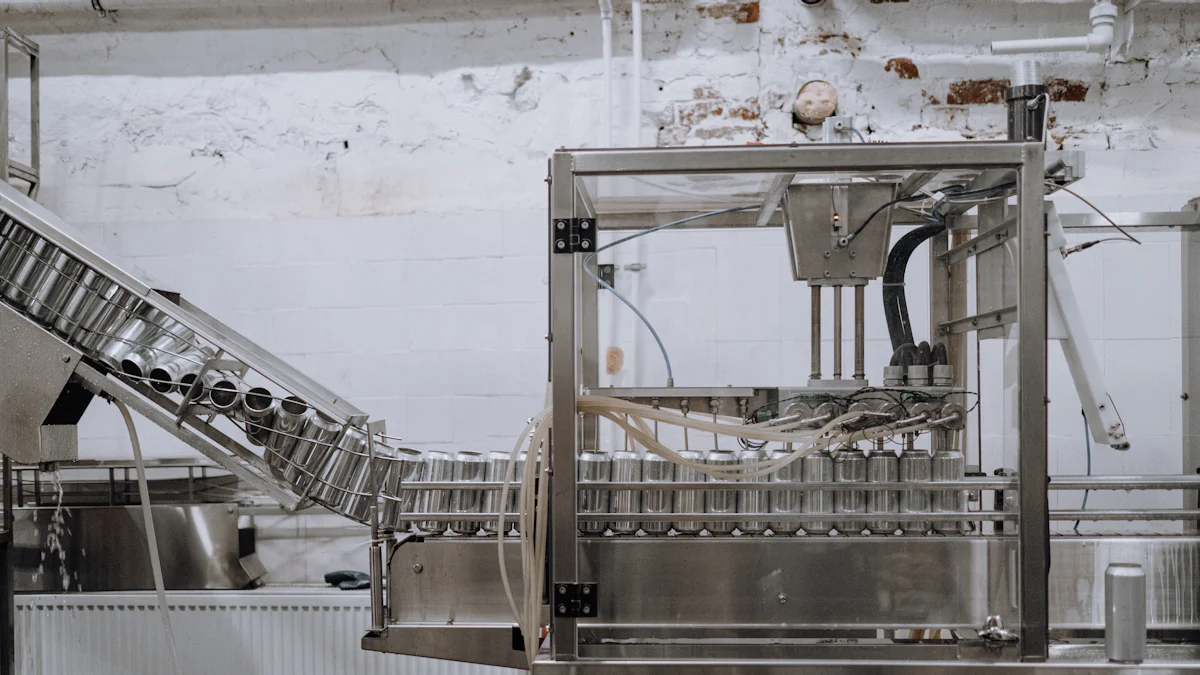
Automated labeling machines play a crucial role in the efficiency of a canned food production line. These machines ensure precise and consistent label application, which is vital for product identification and branding. High-speed operation allows them to handle large volumes of cans, significantly increasing the throughput of the production line. By minimizing human intervention, these machines reduce labor costs and the risk of errors, streamlining the packaging process.
Modern labeling systems also incorporate advanced technologies such as optical sensors and real-time monitoring. These features detect misaligned or missing labels, ensuring every product meets quality standards. Additionally, automated systems can adapt to various can sizes and shapes, offering flexibility for manufacturers. This adaptability makes them indispensable for maintaining efficiency and consistency in labeling operations.
Packaging for Safe Transportation
Packaging ensures canned foods remain intact and fresh during transportation. Manufacturers use materials that provide durability and protection against external elements. Vacuum-sealed pouches and compostable trays help maintain freshness and prevent spoilage. Durable options like PCR plastic bottles and aluminum cans safeguard beverages and other canned products from physical damage.
Effective packaging also considers food safety requirements, such as sealing and labeling guidelines. Materials must meet these standards while being cost-effective and convenient. Recyclable and eco-friendly options align with sustainability goals, appealing to environmentally conscious consumers. By selecting the right packaging materials, manufacturers ensure safe transportation and uphold the integrity of their products.
Regulatory Compliance in Labeling
Regulatory compliance in labeling is essential for any canned food production line. Labels must include accurate product information, such as ingredients, nutritional values, and expiration dates. These details help consumers make informed choices and ensure the product adheres to food safety regulations.
Automated labeling machines simplify compliance by applying labels with precision and consistency. They also integrate software that updates label designs to meet changing regulations. Manufacturers must regularly review labeling practices to ensure adherence to local and international standards. By prioritizing compliance, they protect their brand reputation and avoid potential legal issues.
Technologies Enhancing Efficiency
Role of Automation in Canned Food Production Lines
Automation has transformed the way manufacturers operate a canned food production line. By streamlining operations, automation increases output while ensuring consistency across all stages of production. Automated systems handle repetitive tasks like filling, sealing, and labeling with precision, reducing the likelihood of errors. This approach not only speeds up the process but also minimizes labor costs.
Modern automation also facilitates regular quality control checks. Machines equipped with advanced algorithms monitor production in real time, ensuring that every can meets industry standards. Rapid processing and precise filling further enhance efficiency, allowing manufacturers to meet high consumer demands without compromising quality. Automation has become an indispensable tool for achieving operational excellence in food manufacturing.
Sensors and Real-Time Quality Monitoring
Sensors play a pivotal role in maintaining quality during production. Smart sensors continuously monitor operations, collecting real-time data to identify potential issues. This proactive approach allows manufacturers to address problems as they arise, preventing disruptions and ensuring smooth workflow.
These sensors also support predictive maintenance by tracking equipment health. Early detection of potential failures reduces downtime and extends the lifespan of machinery. Additionally, IoT-enabled sensors enhance traceability throughout the manufacturing process. By tracking products from start to finish, manufacturers ensure compliance with stringent quality standards. This integration of sensors into production lines guarantees consistent results and builds consumer trust.
Energy-Efficient and Sustainable Machinery
Energy-efficient machinery has become a cornerstone of modern food manufacturing. These machines reduce energy consumption, lowering operational costs while supporting sustainability goals. Manufacturers now prioritize equipment that minimizes waste and optimizes resource usage.
Sustainable machinery often incorporates features like heat recovery systems and eco-friendly materials. These innovations not only reduce the environmental impact but also align with consumer preferences for sustainable practices. By investing in energy-efficient technology, manufacturers enhance the overall efficiency of their canned food production line while contributing to a greener future.
Benefits of Canned Food Production Lines
Consistent Quality and Safety Standards
Canned food production lines ensure consistent quality and safety by adhering to strict industry regulations and implementing advanced processes. The FDA emphasizes the importance of aseptic processing and packaging, which requires a sterile environment to prevent contamination. Compliance with Current Good Manufacturing Practices (cGMPs) further ensures hygienic conditions and proper equipment maintenance. Manufacturers validate and document every step of the aseptic process to maintain high standards.
Key steps in achieving consistent quality include:
- Rigorous cleaning of cans to eliminate contaminants.
- High-precision filling to maintain uniformity in product consistency.
- Final quality control checks to verify fill levels and seal integrity.
These measures guarantee that every product meets safety requirements and consumer expectations. By integrating these practices, a canned food production line delivers reliable results while maintaining food safety.
Faster Production and Reduced Labor Costs
Automation plays a pivotal role in accelerating production and reducing labor costs. A well-optimized production line operates continuously, enhancing efficiency and enabling manufacturers to fulfill large orders swiftly. Automated systems handle repetitive tasks like filling, sealing, and labeling with precision, minimizing the need for human intervention. This reduces the risk of errors and ensures consistent quality.
Although the initial setup costs for automation may be high, the long-term benefits outweigh the investment. Reduced labor costs and minimized product loss due to human error contribute to significant savings. Businesses can scale operations effectively, meeting growing consumer demands without compromising on quality or speed. Automation transforms the production process into a streamlined and cost-efficient operation.
Cost-Effectiveness and Minimal Waste
Canned food production lines achieve cost-effectiveness by minimizing waste through innovative techniques. Lean manufacturing principles reduce overproduction and idle time, optimizing workflows and enhancing product quality. Advanced food processing methods and packaging solutions maximize resource utilization, extending shelf life and reducing spoilage. These practices improve sustainability while maintaining efficiency.
Streamlined procurement processes, such as just-in-time (JIT) inventory systems, further reduce waste. By aligning inventory levels with production needs, manufacturers avoid overstocking and spoilage. These strategies not only minimize waste but also lower operational costs, making the production line more sustainable and profitable.
By integrating these practices, manufacturers ensure that their canned food production line operates efficiently, delivering high-quality products while maintaining cost-effectiveness.
Canned food production lines have become essential in modern food manufacturing, combining efficiency, safety, and affordability. Their evolution reflects global trends, such as the growing demand for nutritious, convenient, and long-lasting food options. Europe, accounting for 37.7% of the canned food market in 2023, highlights their significance as household staples. Advancements in automation and technology enable manufacturers to meet rising demands while ensuring consistent quality. Consumers benefit from improved availability and diverse offerings, including plant-based and international flavors. These systems continue to shape the industry, meeting global needs with precision and reliability.
FAQ
What is the primary purpose of a canned food production line?
A canned food production line processes, packages, and preserves food efficiently. It integrates automation and advanced machinery to ensure high-speed production, consistent quality, and extended shelf life. These systems meet industry standards while minimizing waste and reducing operational costs.
How does automation improve efficiency in food canning?
Automation eliminates manual errors, speeds up repetitive tasks, and ensures precision. It enables real-time monitoring, consistent filling, and airtight sealing. By reducing labor dependency, automation enhances productivity and maintains uniform quality across large-scale operations.
What role does sterilization play in canned food production?
Sterilization eliminates harmful microorganisms, ensuring food safety and extending shelf life. Techniques like heat treatment and retort sterilization preserve the food's flavor and nutritional value while meeting regulatory safety standards.
Why is quality control essential in canned food production?
Quality control ensures that every product meets safety and consistency standards. Automated systems and manual inspections detect defects, monitor processes, and remove substandard items. This guarantees consumer trust and regulatory compliance.
What materials are commonly used for packaging canned foods?
Manufacturers use durable materials like aluminum cans, PCR plastic bottles, and vacuum-sealed pouches. These materials protect food from contamination and physical damage during transportation. Eco-friendly options, such as compostable trays, align with sustainability goals.
How do labeling machines ensure compliance with regulations?
Automated labeling machines apply accurate and consistent labels, including product details like ingredients and expiration dates. Integrated software updates designs to meet changing regulations, ensuring compliance with local and international standards.
What are the benefits of using energy-efficient machinery?
Energy-efficient machinery reduces operational costs and environmental impact. Features like heat recovery systems optimize resource usage, supporting sustainability goals. These machines enhance production efficiency while appealing to eco-conscious consumers.
Can canned food production lines handle different product types?
Yes, modern production lines feature modular designs and adaptable machinery. They accommodate various can sizes, shapes, and product types, including beverages, fruits, vegetables, and ready-to-eat meals. This flexibility meets diverse market demands.